

Kinderdijk Cruise Port
Kinderdijk, Netherlands
Your port day at a glance
- Walk to town?
- Ask us
- Distance to town
- 10 mi / 16.1 km
- Currency
- Euro / EUR
On this page
Getting to town
Distance to town: 10 mi / 16.1 km.
Your day in port
On a typical 4–6 hour Kinderdijk stop, allow 1–2 hours for walking the dike and photography, about 1–1.5 hours for a museum windmill and visitor center, and optional time for a canal boat ride and a café break. Clients visiting from Rotterdam by excursion should factor in about 35–50 minutes each way for travel when planning independent time.
Best time to visit
April to early October is ideal, when Kinderdijk’s windmills are operating regularly, the site is fully open, and walking/cycling paths are most pleasant. Spring brings tulips and fresh green polders, while late summer and early fall often have the most stable weather.
- Rain is common year-round; showers can roll in quickly, so waterproof layers are useful.
- Winter can be cold, damp, and windy, with shortened opening hours and occasional seasonal closures.
- Summer can bring brief heatwaves and strong sun with little shade along the dikes.
Shore experiences
- Explore the museum windmill with kids, letting them see tight sleeping quarters, old tools, and the gears in action.
- Follow the marked walking paths and count the windmills, spotting birds and wildlife in the wetlands along the way.
- Stop at the visitor center’s interactive exhibits and short films that explain polders and dike-building in simple terms.
- Rent bikes with child seats or kid-sized bikes (where available through river ships or local outfitters) for an easy flat ride.
- Enjoy a hot chocolate or ice cream at on-site cafés or kiosks after a stroll along the dike.
Food, drink and shopping
Local food and drink
- Try Dutch classics such as poffertjes (mini pancakes), stroopwafels (syrup waffles), and apple pie with whipped cream at on-site or nearby cafés when available.
- Local kiosks or cafés may sell simple sandwiches, soups, and baked goods suitable for a light lunch during a shore stop.
- Enjoy Dutch coffee or hot chocolate on a cool, windy day overlooking the canals and windmills.
- For more substantial dining or broader choice, plan meals on your river vessel or in nearby cities like Rotterdam or Dordrecht before or after your visit.
Shopping
- Look for small souvenirs themed around windmills, Dutch water management, and UNESCO heritage, often sold at the visitor center shop.
- Traditional Dutch keepsakes such as Delft-style ceramics, wooden shoe miniatures, and local postcards make compact mementos.
- Serious shopping options are limited at Kinderdijk; advise clients to do major shopping in Rotterdam, Dordrecht, or Amsterdam.
What to wear
Dress in layers with a windproof and waterproof outer jacket, as it can be breezy and damp along the open dikes; comfortable walking shoes or sneakers are essential. In warmer months, bring sun protection (hat, sunglasses, sunscreen) due to minimal shade along the paths.
Advisor notes
Emphasize that Kinderdijk is a focused, mostly outdoor heritage stop—better for scenic walking, photography, and cultural storytelling than for shopping or dining. Remind clients to pre-book timed entry or guided tours through their cruise line in peak months, and to dress for wind and possible rain, as the site offers limited shelter.
Sources (9)
- diycruiseports.com (opens in a new tab)
- rome2rio.com (opens in a new tab)
- cruiseweb.com (opens in a new tab)
- worldofcruising.co.uk (opens in a new tab)
- cruisemapper.com (opens in a new tab)
- whatsinport.com (opens in a new tab)
- tripadvisor.com (opens in a new tab)
- hollandamerica.com (opens in a new tab)
- vikingrivercruises.com (opens in a new tab)
Practical information
- Currency
- Euro / EUR
Useful apps
- Google Maps
- Citymapper (for planning routes to/from Rotterdam and other cities)
- NS (Nederlandse Spoorwegen app for trains in the wider region)
- Google Translate
Nearby ports
All port guides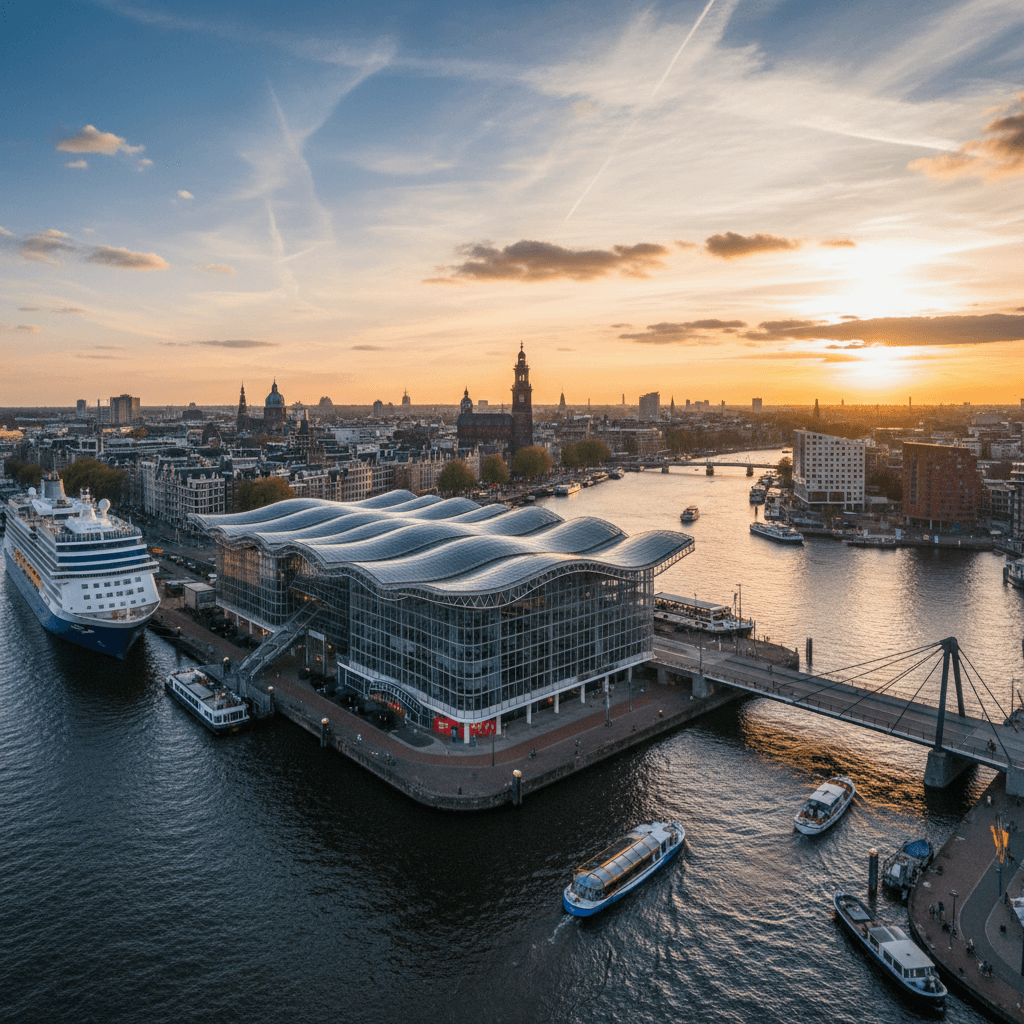
Cruise Port Amsterdam (Passenger Terminal Amsterdam)
Amsterdam, Netherlands

Port of Cologne
Cologne, Germany

Port of Koblenz
Koblenz, Germany

London International Cruise Terminal (Tilbury)
Tilbury, United Kingdom

Rüdesheim am Rhein River Cruise Port
Rüdesheim am Rhein, Germany

London Greenwich Pier
London, United Kingdom
Planning a sailing that calls at Kinderdijk?
Tell us which cruise you are looking at. We will help you plan the port day, from getting ashore to what is worth your time.