

Porto de Lisboa (Port of Lisbon)
Lisbon, Portugal
Your port day at a glance
- Walk to town?
- Ask us
- Distance to town
- 1.5 mi / 2.4 km
- Currency
- Euro / EUR
On this page
Getting to town
Distance to town: 1.5 mi / 2.4 km.
Your day in port
For an 8–10 hour day, many visitors combine a morning in Belém (monuments and pastries) with an afternoon exploring Alfama and Baixa, using tram or bus links between areas.[2][7] Those preferring a lighter pace can focus on Baixa/Chiado plus one viewpoint and a riverside stroll from the ship.
Best time to visit
For cruising into Lisbon, the most pleasant months are April to early June and September to early November, when temperatures are mild and crowds are manageable.[1][4]
- July–August can be hot in the city’s hills and alleys, with strong sun and limited shade in some historic areas.[4]
- Rain and Atlantic storms are more common from November through March, which can affect walking comfort and river views.[4]
Shore experiences
- Ride Tram 28E or a modern bus along its route for a fun, scenic way to see the old quarters without excessive walking.[7]
- Head to the Parque das Nações area (by metro or taxi) for riverfront promenades, cable car, and the large Lisbon Oceanarium.
- Enjoy a relaxed pastel de nata tasting and hot chocolate break in Baixa or Belém.
- Take a short Tagus River sightseeing cruise from the waterfront for bridge and city-skyline views.
Food, drink and shopping
Local food and drink
- Pastéis de nata (custard tarts), especially the famous pastéis de Belém in the Belém district.
- Grilled sardines and other fresh Atlantic seafood in traditional tascas.
- Bacalhau (salt cod) dishes such as bacalhau à brás and bacalhau com natas.
- Petiscos (Portuguese-style small plates) paired with local wines.
- Ginjinha (cherry liqueur) from tiny bars near Rossio, and Portuguese wines including vinho verde and Douro reds.
Shopping
- Look for Portuguese ceramics and azulejos (decorative tiles) in shops around Alfama and Baixa.
- Buy local gourmet items such as canned seafood, olive oil, and port wine in specialty grocers and markets.
- Seek out cork products (bags, wallets, accessories) and Portuguese textiles in design shops and markets.
- Major shopping streets and malls near central Lisbon follow extended hours, often staying open later than traditional shops.[2]
What to wear
Wear light, breathable layers and comfortable walking shoes with good grip for hills and cobblestones; carry a light jacket or rain layer in cooler or wetter months and dress modestly when visiting churches.
Advisor notes
Advise clients that Lisbon is an easy DIY port: central sights are close, public transit is straightforward, and many highlights can be seen on foot, but hills and cobblestones can be tiring for those with mobility issues.[1][2][3] Encourage guests to be on deck for sail-in and sail-out under the 25 de Abril Bridge and past the city’s riverfront landmarks, as this is a signature part of the Lisbon experience.
Sources (10)
- cruisemapper.com (opens in a new tab)
- whatsinport.com (opens in a new tab)
- sailawaze.com (opens in a new tab)
- cruisesheet.com (opens in a new tab)
- facebook.com (opens in a new tab)
- adventourbegins.com (opens in a new tab)
- youtube.com (opens in a new tab)
- lisboncruiseport.pt (opens in a new tab)
- crystalcruises.com (opens in a new tab)
- diycruiseports.com (opens in a new tab)
Practical information
- Currency
- Euro / EUR
Useful apps
- Google Maps
- Moovit
- Uber
- Bolt
- Google Translate
Nearby ports
All port guides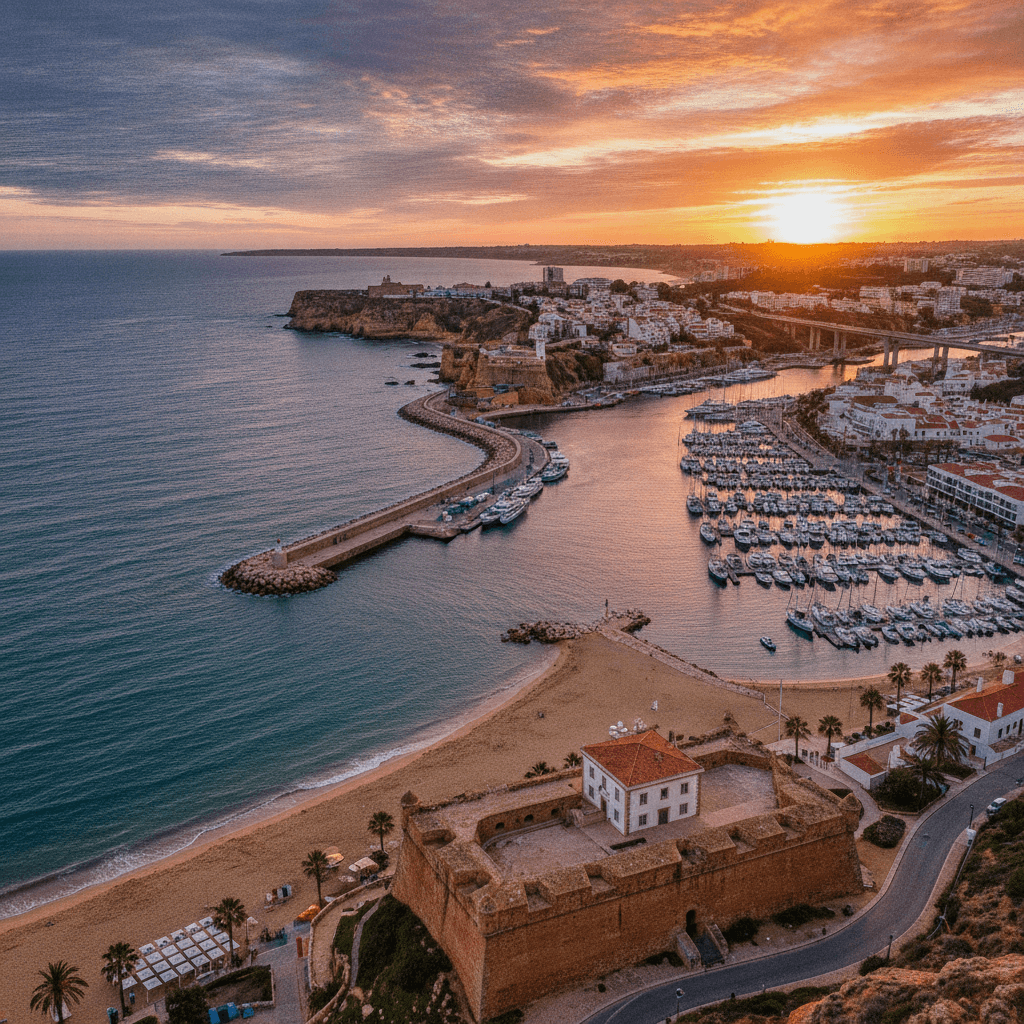
Port of Portimão
Portimão, Portugal
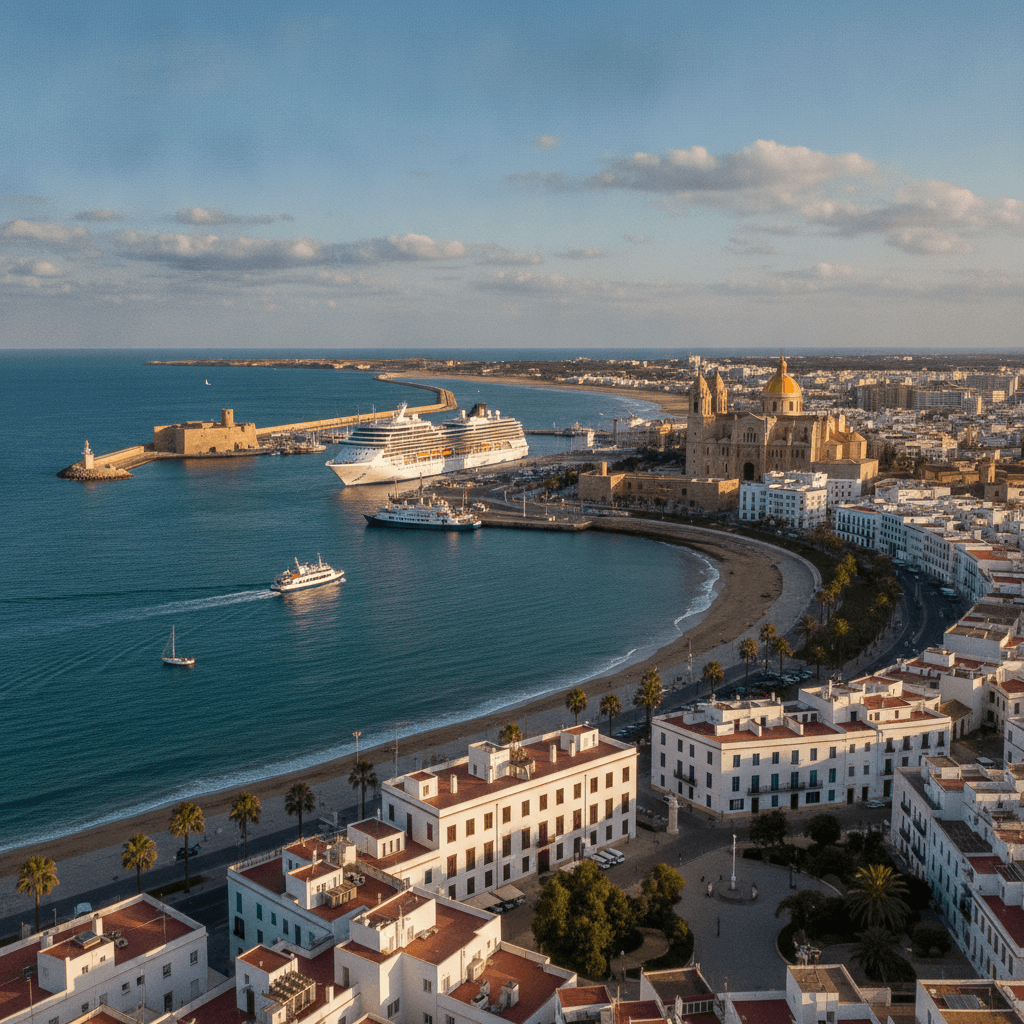
Puerto de la Bahía de Cádiz (Cadiz Cruise & Ferry Port)
Cádiz, Spain
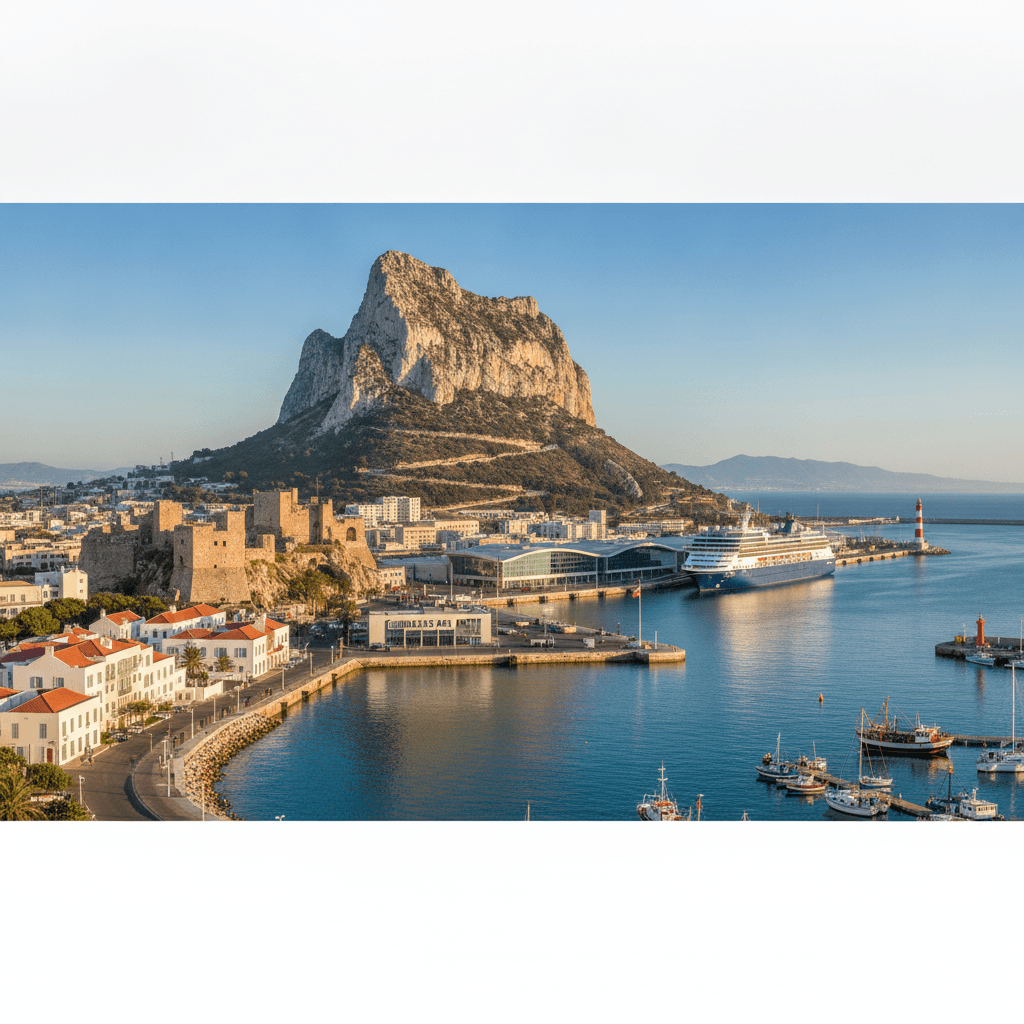
Gibraltar Port (Gibraltar Harbour / Gibraltar Cruise Terminal)
Gibraltar, United Kingdom (British Overseas Territory of Gibraltar)

Puerto de Motril – Costa Tropical
Motril, Spain
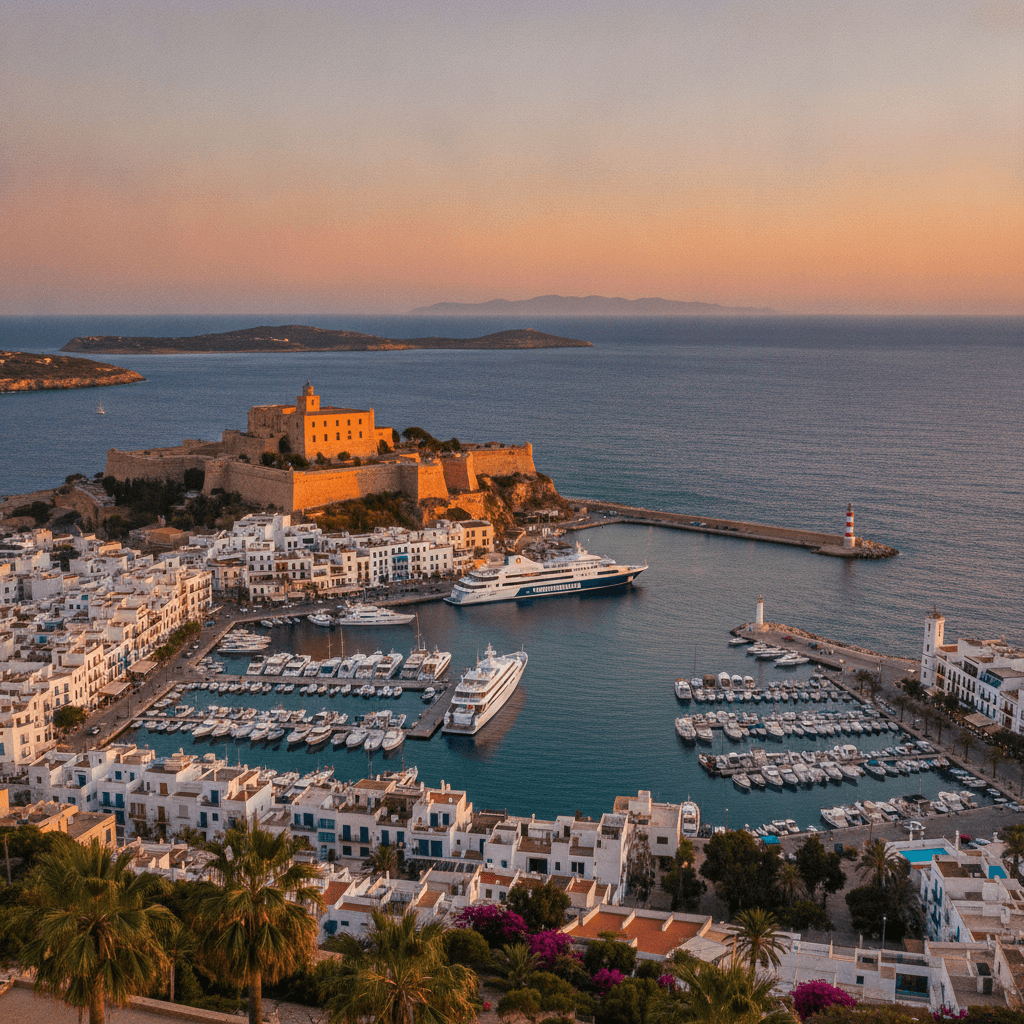
Puerto de Ibiza (Port d'Eivissa)
Ibiza (Eivissa), Spain

Port of Barcelona (Port de Barcelona)
Barcelona, Spain
Planning a sailing that calls at Lisbon?
Tell us which cruise you are looking at. We will help you plan the port day, from getting ashore to what is worth your time.